
Articles in the Category ”Products”

Characterization of SARS-CoV-2 Receptor-Binding Domains using SmartEnzymes™


Scientists at Leiden University Medical Center (LUMC) present a multilevel mass spectrometry approach using SmartEnzymes for in-depth characterization of mammalian SARS-CoV-2 receptor-binding (RBD) domains.


The COVID-19 disease caused by the SARS-CoV-2 virus has affected more that 100 million individuals in the ongoing pandemic. The enveloped RNA corona virus contains three structural proteins in the membrane, including the heavily glycosylated spike protein carrying 22 N-glycosylation sites. The spike protein in turn consists of two subunits, S1 and S2, where the receptor-binding domain (RBD) of S1 directly interacts with the ACE2 receptor in the human respiratory tract and facilitates host cell entry. Considering the relevance of RBD glycosylation on ACE2 binding and recognition by neutralizing antibodies, the use of well-characterized S proteins is essential for continued research and development of diagnostic tools and vaccines.

Read more »

Automated Biotransformation Analysis of ADCs using FabRICATOR

The development of antibody-drug conjugates (ADCs) has evolved from first generation formats prepared by random conjugation technologies to next generation ADCs generated by site-specific conjugation. While significant improvements in overall efficacy and safety is displayed by site-specific formats, bioanalysis remains challenging due to complex in vivo biotransformation events including deconjugation, linker-payload cleavage and payload metabolism.


In this work, scientists at Bristol-Myers Squibb describe the development of an automated and fast affinity capture method using a cartridge-based platform combined with LC-HRMS analysis for biotransformation assessment of site-specific ADCs.

Read more »

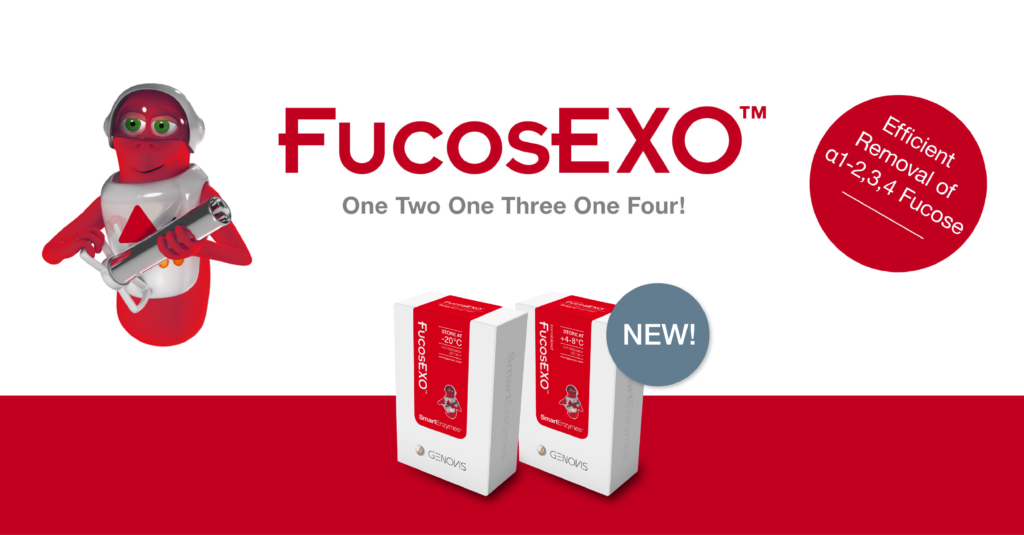
NEW SmartEnzymes – Launching FucosEXO!

Genovis launches FucosEXO, an α-fucosidase mix for efficient removal of α1-2, α1-3 and α1-4 linked Fucose on native N- and O-glycosylated proteins. 


Analysis of glycoproteins modified with complex glycan structures can be challenging and requires efficient and specific enzymatic tools. FucosEXO is a mix of α-fucosidases for efficient hydrolysis of α1-2, α1-3 and α1-4 linked fucose residues on N- and O-glycoproteins or oligosaccharides, without the need for co-factors or additives.


We have tested FucosEXO on a number of glycoengineered TNFR proteins carrying up to 11 O-glycans decorated with fucose in different linkages, comparing the activity to other commercially available fucosidases. FucosEXO is able to defucosylate the heavily glycosylated TNFR proteins within 1 hour, while treatment with other fucosidases only led to partial removal of fucose or no removal at all.


Learn more about FucosEXO for defucosylation of native glycoproteins.


FucosEXO enzyme – Lyophilized enzyme for removal of α1-2, α1-3 and α1-4 linked fucose from 2 mg glycoprotein.


Immobilized FucosEXO – Immobilized enzyme for removal of α1-2, α1-3 and α1-4 linked fucose from 0.5 mg glycoprotein.


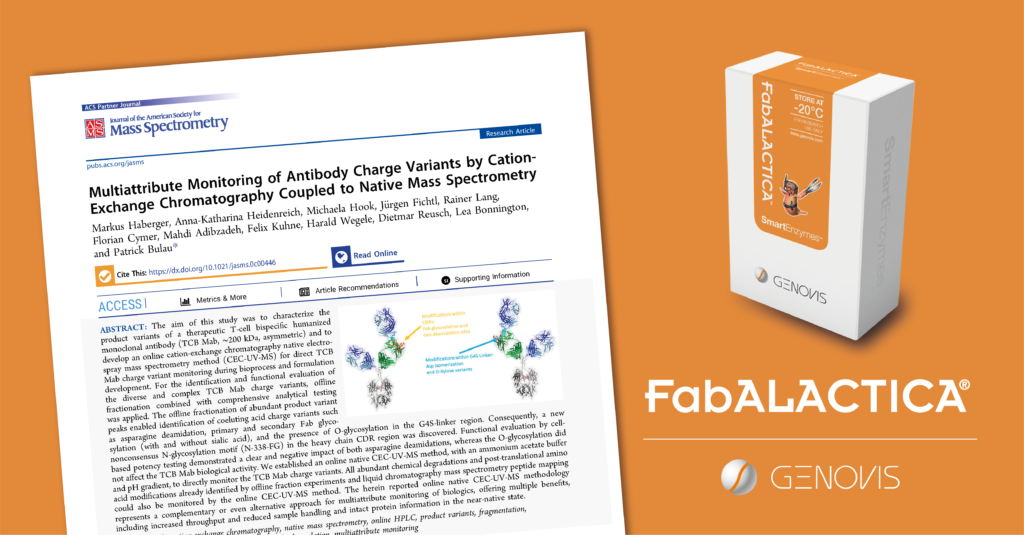
A Middle-up Approach using FabALACTICA for Characterization of Bispecific Antibodies

In recent years, bispecifics have gained popularity due to their therapeutic advantages over conventional IgG’s. In particular, the T-cell bi-specifics have received a great deal of attention due to their potential for improved efficacy. However, because of their complex TCB formats, there are multiple challenges associated with manufacturing and analysis of these type of biomolecules. A number of product and process related side products are formed which require close monitoring and identification. Moreover, the existence of various charge variants is common which can be challenging to fully characterize and understand.
Read more »

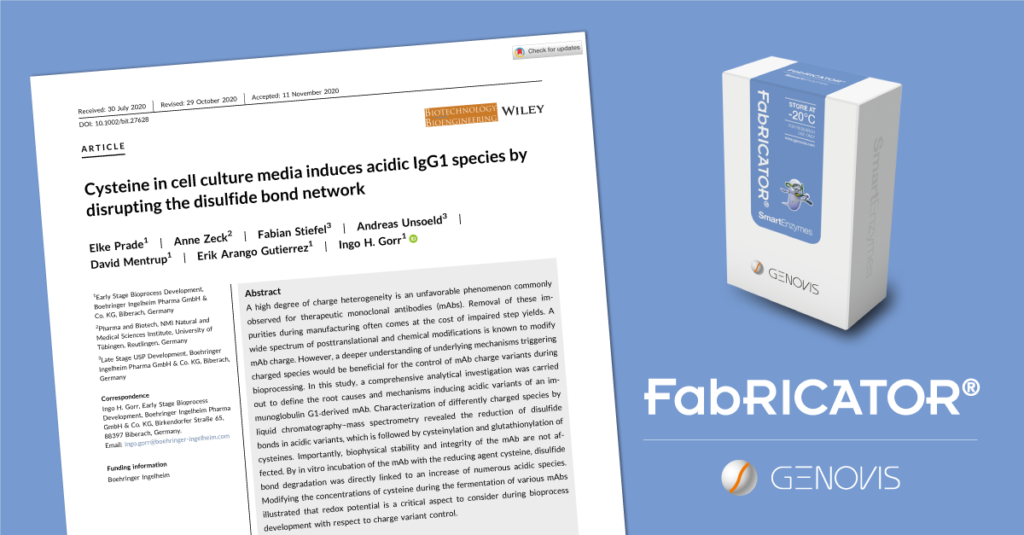
FabRICATOR used to Locate Modification Sites of IgG Caused by Reducing Agents

A charge heterogeneity is an unfavorable phenomenon observed for mAbs and is considered as a critical quality attribute since it can alter the efficacy and pharmacokinetics of biopharmaceuticals. Acidic and basic species of an IgG are due to various chemical modifications on the molecule. The origin of acidic species has previously been reported to be formed by deamidation, oxidation of side-chains, cysteinylation, glycosylation, glycation, sialylation and fragmentation while the basic species comes from C-terminal lysine clipping, pyro-glu cyclization, succinimide formation and aggregation. Scientists at Boehringer Ingelheim together with scientists at NMI at University of Tübingen recently published a study characterizing the root cause of charged species of an IgG1 mAb.

Read more »

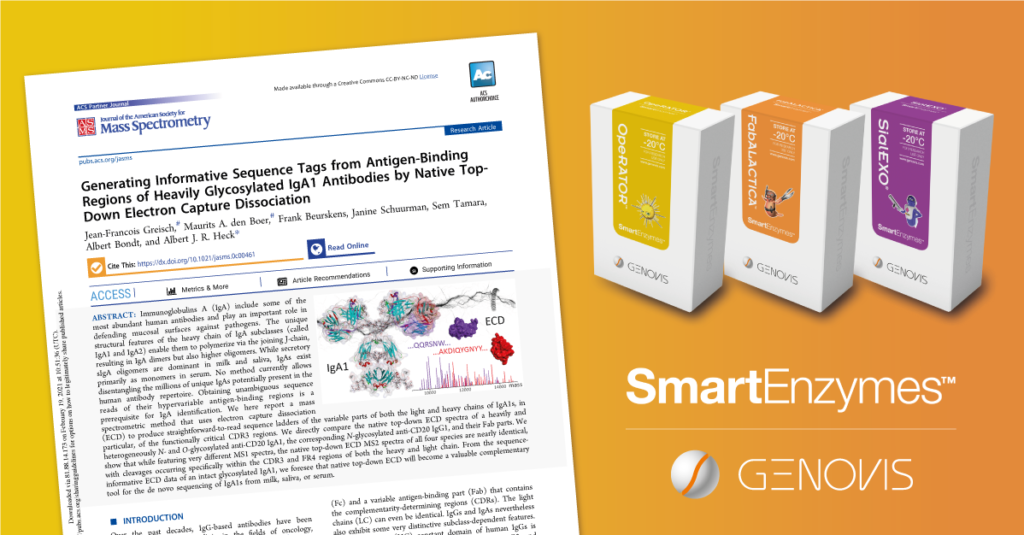
SmartEnzymes in Targeted Sequencing of Heavily Glycosylated IgA1

The use of IgG-based antibodies in various clinical fields have increased over that past decades, continuing the development of better biopharmaceuticals. The use of other immunoglobulins including IgA, characterized with the ability to recruit effector cells, is progressively being considered a useful alternative. The complexity of the heavily glycosylated IgA does however pose analytical challenges and no method currently exist that allows unraveling of the human repertoire of this subclass.


Scientists at Utrecht University present a mass spectrometry method using electron capture dissociation (EDC) to obtain sequence ladders of the variable regions on the heavily N- and O-glycosylated anti-CD20 IgA1 antibody. Using SmartEnzymes and a native top-down approach, the scientists compared the IgA1 antibody to its anti-CD20 IgG counterpart, and their Fabs.

Read more »

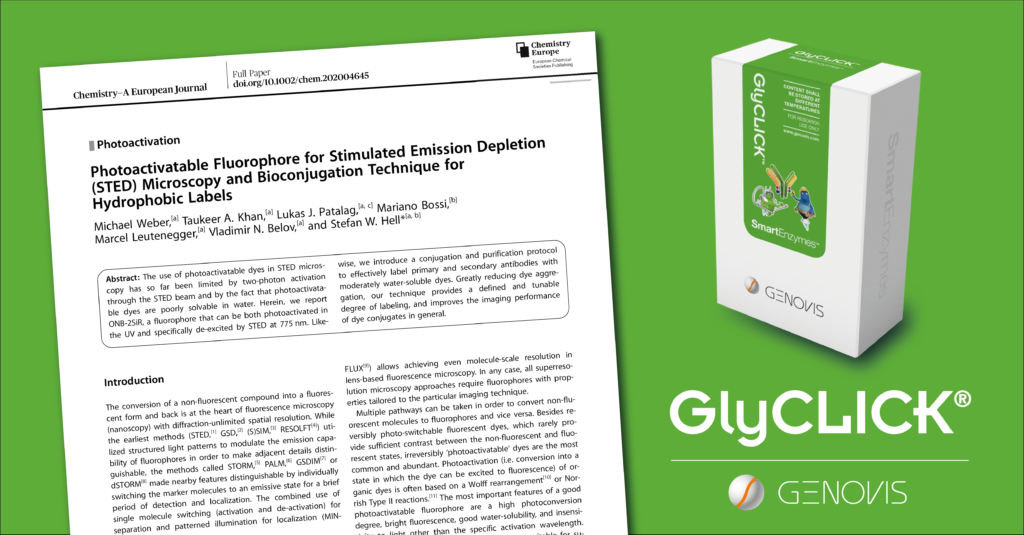
Antibodies Conjugated with GlyCLICK for Super Resolution Imaging

Super resolution microscopy techniques such as stimulated emission depletion microscopy (STED) improves imaging resolution compared to conventional light microscopy. In STED microscopy, super resolution is achieved using photoactivatable dyes that are excited and de-excited selectively with a laser to restrict fluorescense to a specific focal point. While such super resolution methods in combination with immunostaining advances the quality of imaging, limitations related to dyes and conjugation strategies remain. Read more »

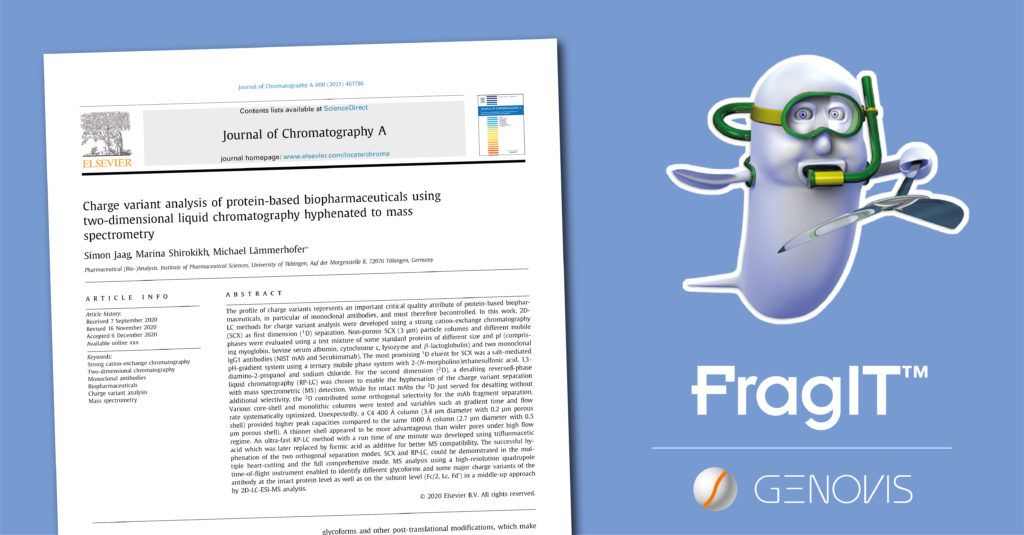
Charge Heterogeneity Analysis of Antibody Subunits Generated by FragIT

Charge heterogeneity of monoclonal antibodies is an important critical quality attribute that requires close monitoring due to its potential impact on antibody efficacy and immunogenicity. Since the heterogeneity is mostly caused by post translational modifications such as C-terminal lysine clipping, deamidation, glycation, sialic acid or adduct formation, these modifications can pose significant challenges to the analytical scientists. Read more »

Launching NEW GlyCLICK® ADC kits!

December 10, 2020 | Applications, News, Products |

Genovis launches new GlyCLICK kits for site-specific generation of custom ADCs carrying unique 2-step cleavable linker-payloads from Glykos Finland. 


Antibody-drug conjugates (ADCs) comprise a new generation of antibody-based biologics that carry drug payloads directly into target cells, allowing for a broadened therapeutic window. The drawbacks of conventional antibody conjugation strategies are rapidly being surpassed by site-specific methods, where conjugation at the Fc-glycan sites using GlyCLICK has proven to be an attractive option for labeling of native antibodies without genetic engineering.


The GlyCLICK conjugation technology results in site-specific incorporation of 2.0 drugs per antibody, for this reason the GlyCLICK ADC kits offer conjugation with highly potent payloads functionalized with DBCO to enable click-chemistry to azide activated antibodies. GlyCLICK ADC kits can be used to combine native IgG with a two-step cleavable linker carrying either MMAE or PNU for the desired cytotoxic effect on targeted cells (Fig. 1).


Learn more about the GlyCLICK technology for ADC development.


GlyCLICK ADC kit MMAE – Site-specific ADC generation with cleavable linker-payloads carrying MMAE.


GlyCLICK ADC kit PNU – Site-specific ADC generation with cleavable linker-payloads carrying PNU.


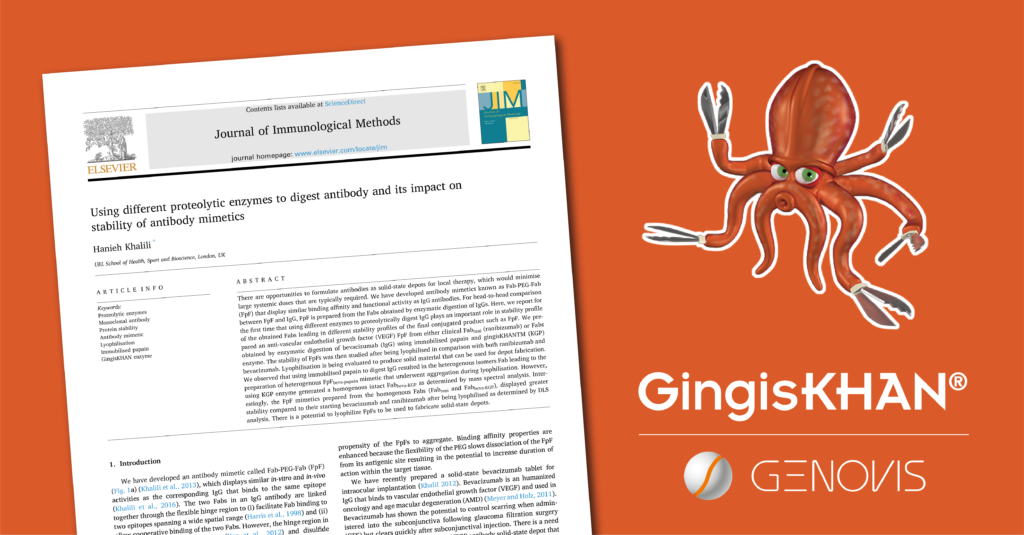
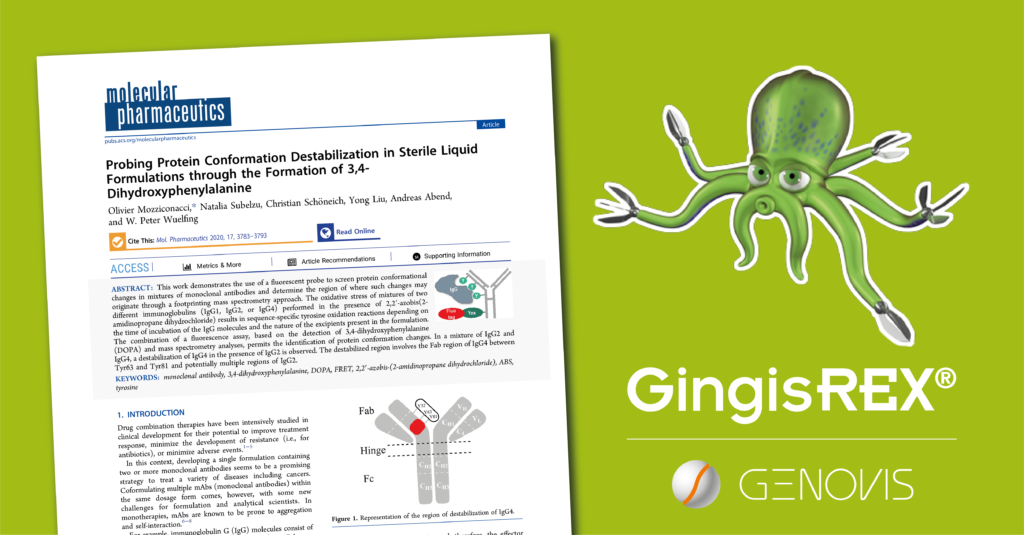
Generating Antibody Mimetics with GingisKHAN

Antibodies formulated as solid-state depots can potentially be used for local treatments and minimize the need for large systemic doses. Bevacizumab may for instance be administered locally to control post-operative scarring following glaucoma filtration surgery. A solid-state form would however be required in order to obtain a proper slow release of the antibody. Read more »